A DMZ tour from Seoul offers something very different from palaces, shopping streets, cafés or traditional markets. It takes you to one of the most important places in modern Korean history, where the division of the Korean Peninsula is still visible today.
The southern boundary of the Demilitarized Zone is only about 50 kilometers from central Seoul. Depending on traffic and the departure point, the drive can take around an hour. That makes the border region surprisingly accessible as a half-day or full-day trip from the capital.
Many travelers first hear about this area through news reports about North Korea, Panmunjom or the Joint Security Area. But once you start planning a visit, the names can become confusing.
Is the DMZ the same as the JSA? Is Panmunjom another name for the same place? Can every tour visit the famous blue conference buildings?
The short answer is no. Understanding the difference before booking will make your trip much easier.
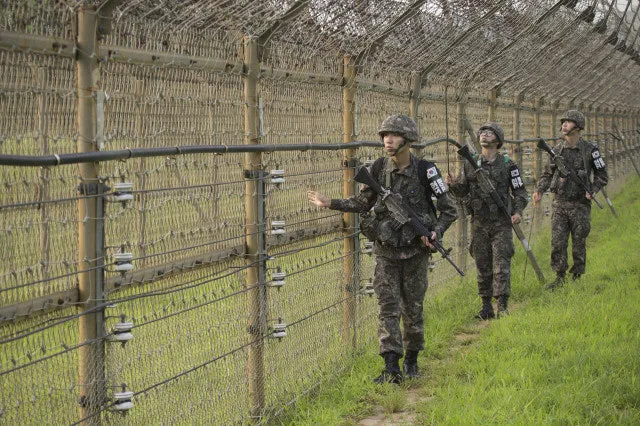
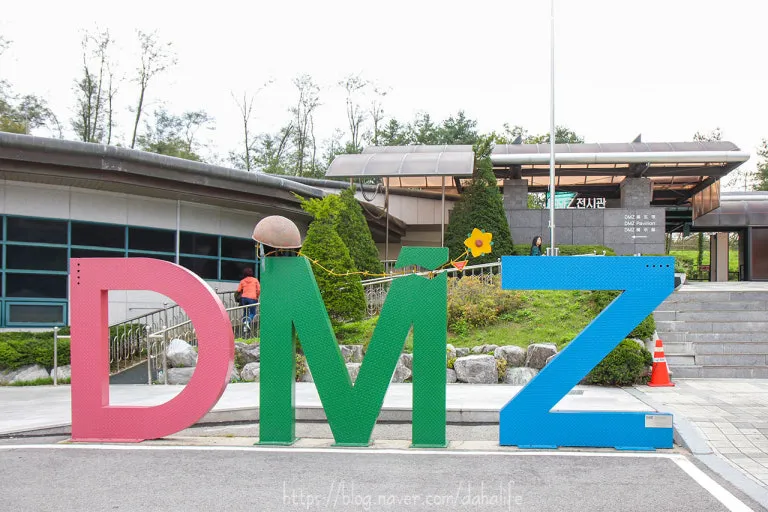
DMZ, JSA and Panmunjom: What Is the Difference?
The easiest way to understand these names is to think of the DMZ as the larger border zone.
The Korean Demilitarized Zone was created after the Korean War armistice in 1953. It separates South and North Korea and stretches across the peninsula.
A typical Korea DMZ tour may visit places such as Imjingak, the Third Infiltration Tunnel and an observatory overlooking the northern side.
The JSA means the Joint Security Area. It is a much smaller and more tightly controlled area associated with Panmunjom. The blue conference buildings seen in international news reports are closely associated with this location.
Panmunjom is the historic area where the Korean Armistice Agreement was signed in 1953 and where important inter-Korean meetings have taken place.
Civilian access to the JSA was suspended for an extended period after a security incident in 2023. Orientation tours have since resumed, but under a redesigned format: as of 2026, visitors no longer step inside the blue conference buildings that straddle the border, which was previously the highlight of the experience. Because the format has changed more than once in a short period, always check the current itinerary with your operator before booking rather than assuming an older description still applies.
Why Do International Travelers Visit?
For many visitors, the biggest attraction is not simply the chance to look toward North Korea. This is a place where modern history is still connected to the present.
The Korean War ended with an armistice rather than a peace treaty, and physical traces of the conflict remain throughout the region. Bridges, tunnels, fences, observatories, old military facilities and damaged railway equipment make that history easier to understand than reading about it in a book.
The contrast with Seoul is especially striking. One hour you may be surrounded by skyscrapers, subway stations and cafés. A short drive later, you can be standing near places shaped by war, division and decades of military tension.
For travelers who want to understand Korea beyond food, shopping and entertainment, this is one of the most unusual day trips available from Seoul.
Imjingak: A Place of War, Division and Hope for Peace
One of the most important places to understand before visiting the border region is Imjingak in Paju.
Located about seven kilometers south of the Military Demarcation Line, the area sits close to the Imjin River and preserves many reminders of the Korean War and the division of the peninsula.
It is also a place built around the hope for peace and eventual reunification.
Visitors can find historic monuments, memorials, exhibitions, open parkland and several well-known attractions in and around the complex.
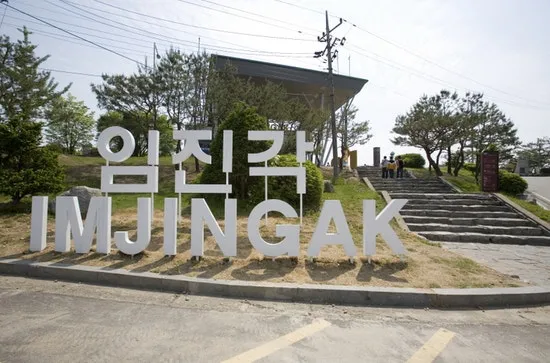
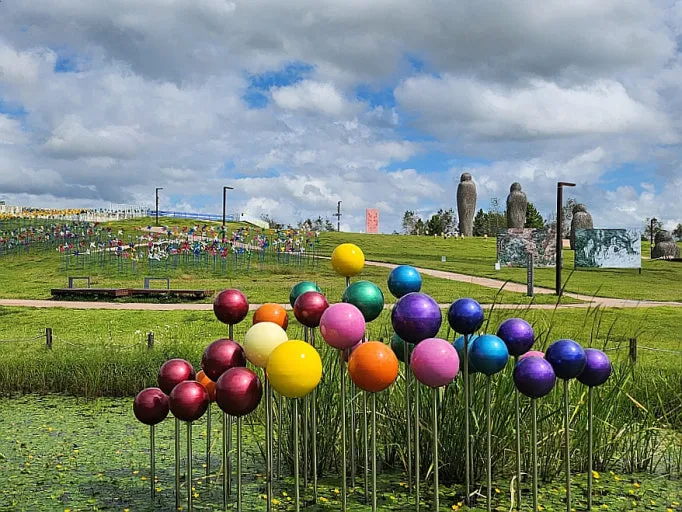
Around Imjingak you can see places and facilities such as Freedom Bridge, the bullet-scarred Jangdan Station steam locomotive, peace-related exhibitions, Pyeonghwa Nuri Park and the Peace Gondola.
Freedom Bridge: Seeing the Past and Present Together
Freedom Bridge and the railway area around the Imjin River are closely connected to Korea’s wartime history.
Historical photographs make this easier to understand because visitors can compare the landscape during the Korean War era with what stands here today.
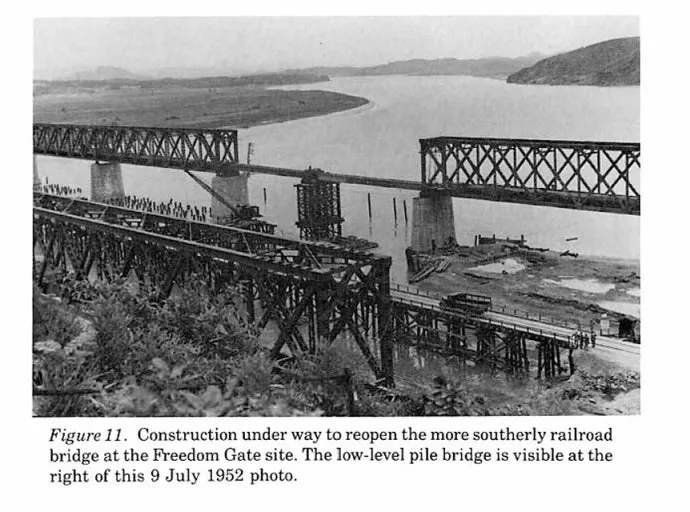
Source: Bridging the Imjin, William R. Farquhar Jr. (1952 photo)
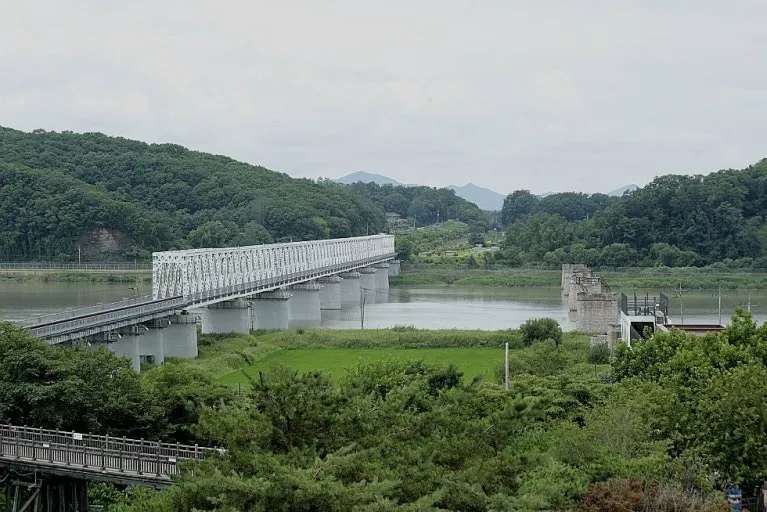
Putting the old and new views side by side shows how a landscape once shaped by war has gradually become a place of remembrance and peace tourism.
The Bullet-Scarred Steam Locomotive
One of the most powerful historical objects at Imjingak is the steam locomotive from Jangdan Station.
The train was damaged during the Korean War and remained abandoned near the restricted border area for decades before being moved to Imjingak in 2007. Its body still carries numerous bullet marks.
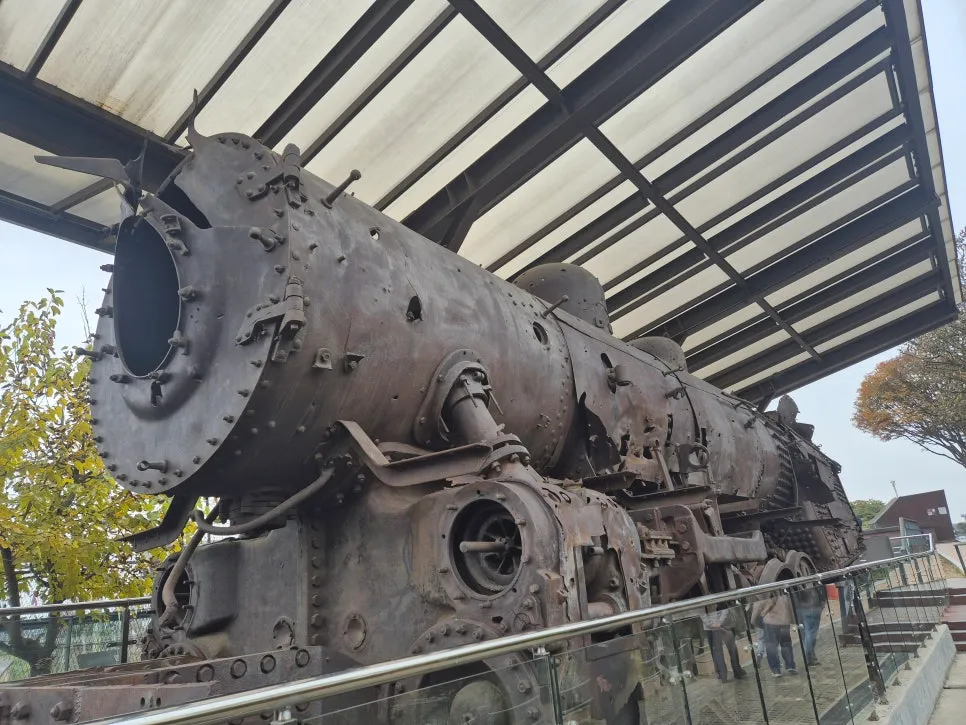
Seeing the damaged metal up close makes the war feel far more real than simply reading a date in a history book.
How to Arrange a Tour from Seoul
For first-time visitors, joining an organized tour from Seoul is usually the simplest option.
If you are already traveling with a guide, tell them you want to visit the border area and ask what options are currently operating.
Many hotels in Seoul also keep brochures for day tours or can help guests contact local tour companies. Travelers who are comfortable booking online can compare and reserve a trip themselves.
Before paying, check exactly what the itinerary includes. Two tours with similar names can visit different places.
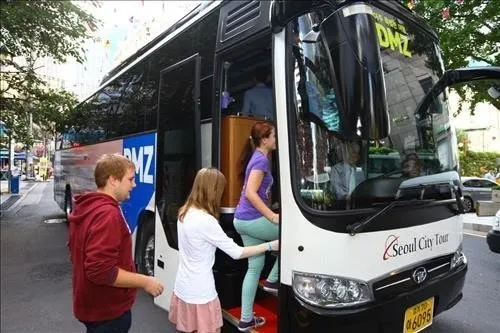
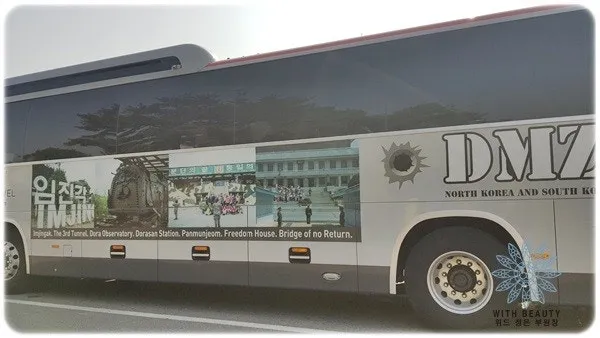
This is not the same as visiting an ordinary attraction where you can drive anywhere and explore freely. Access to some areas follows fixed routes, security procedures and scheduled transportation.
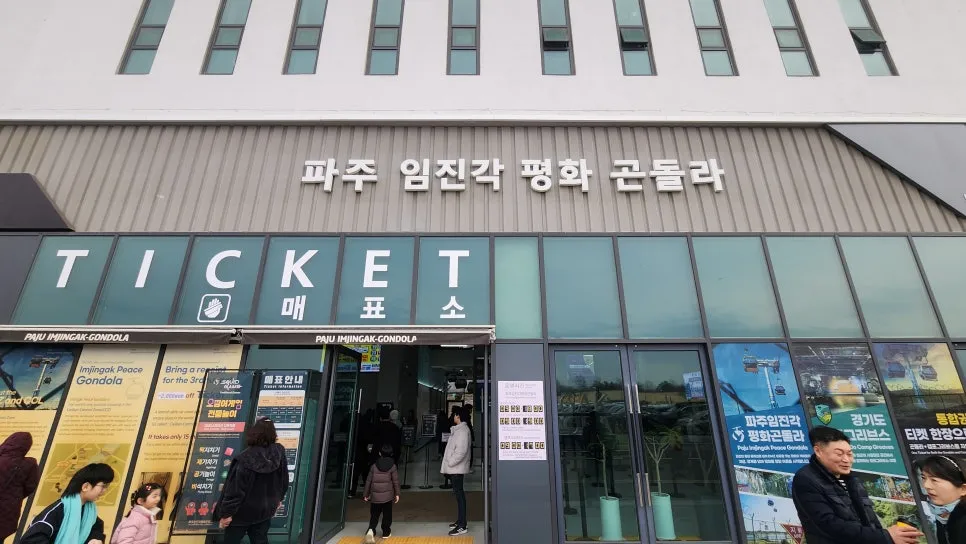
Where Is the Peace Tour Ticket Office?
The Peace Tour ticket office is located at the Korean Peninsula Ecological Peace Tourism Center in the Imjingak tourism area in Paju.
The address is:
148-63 Imjingak-ro, Munsan-eup, Paju-si, Gyeonggi-do, South Korea
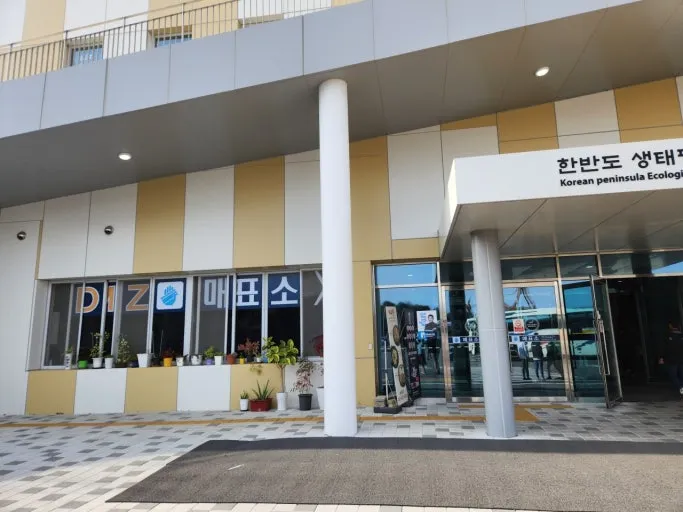
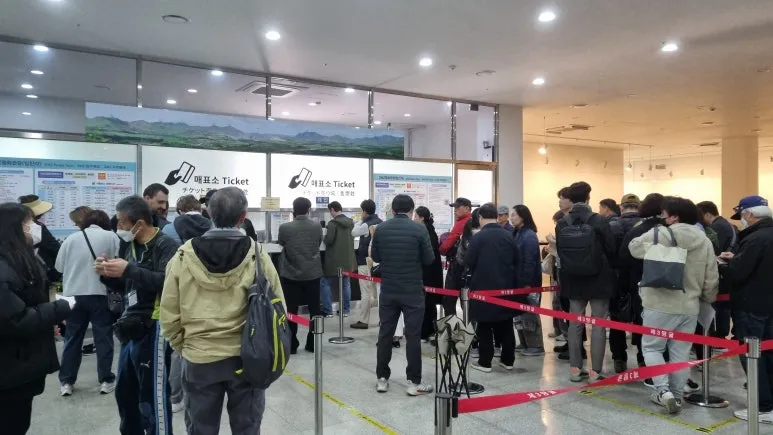
Operating procedures can change, so do not assume that information from an old travel blog is still correct. Check current instructions before traveling.
Your Passport Is Essential
This is a controlled military-border region, and identity checks may be part of the visit.
Do not rely only on a photograph of your passport stored on your phone. Bring the actual document and make sure the name used for your booking matches your travel identification.
If your tour operator provides additional instructions, follow those instructions carefully.
Third Infiltration Tunnel
The Third Infiltration Tunnel is one of the best-known stops on tours in Paju.
It was discovered as an underground passage extending from the North Korean side toward South Korea.
For many international visitors, walking underground makes the history of military confrontation far more tangible.
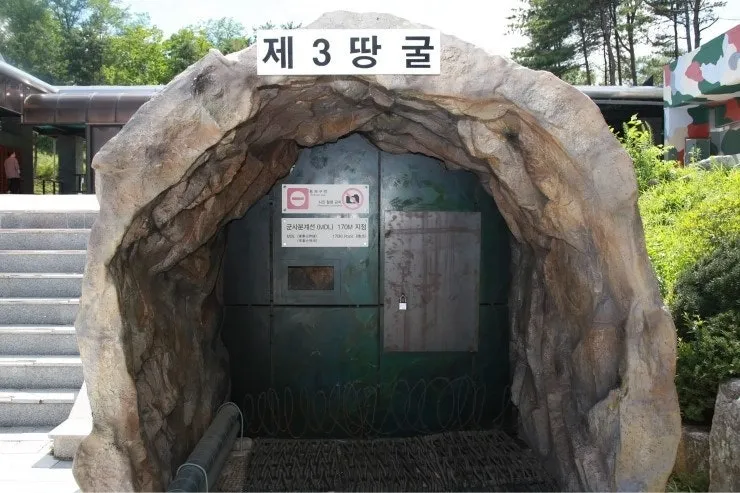
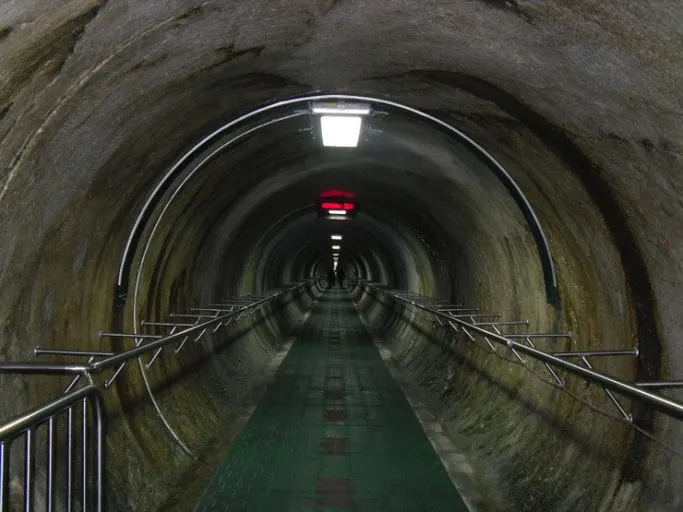
The route includes walking and sloped sections, so visitors with mobility concerns should check the physical requirements before booking.
Photography may also be restricted in certain areas. Follow all signs and staff instructions.
Dora Observatory: Can You Really See North Korea?
This is one of the questions many travelers ask before visiting.
From Dora Observatory, visibility toward North Korea depends on weather, haze and local conditions. On a clear day, visitors may be able to see landscapes and settlements across the border area.
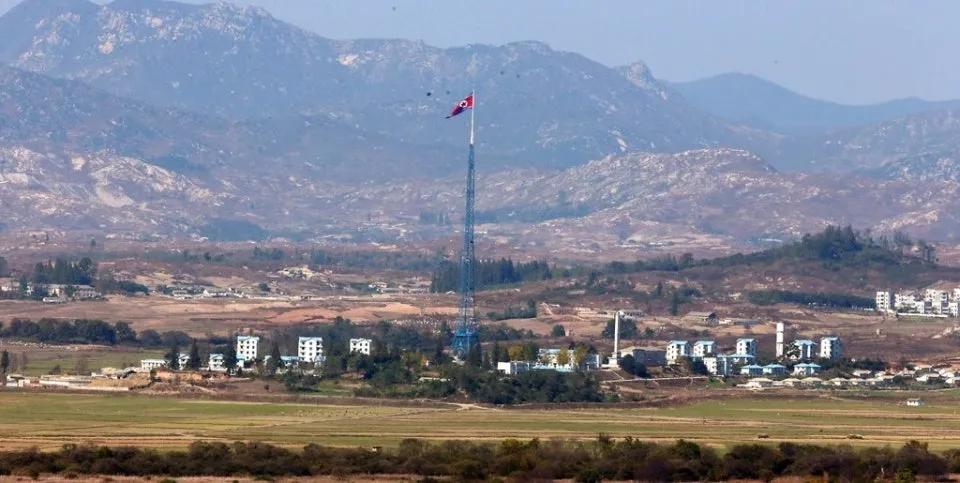
The experience is often more striking than expected because Seoul feels so close. You are not in a remote corner of the country; you are looking across one of the world’s most recognizable divided-border landscapes within easy reach of the capital.
Imjingak Peace Gondola
The Imjingak Peace Gondola offers a different way to see the area around the Imjin River.
Instead of focusing only on tunnels, military facilities and observatories, the cable car gives visitors an elevated view of the surrounding landscape.
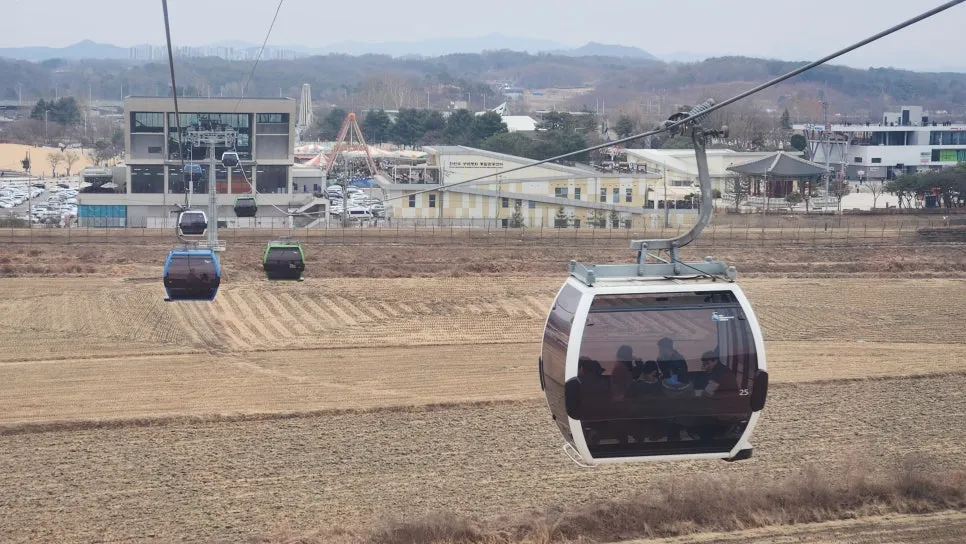
Ticket prices and operating hours can change, so check the official information shortly before your visit rather than relying on an old price chart.
Camp Greaves: Another Side of Border History
Camp Greaves adds a different layer to the trip.
Located inside the Civilian Control Zone and about two kilometers from the southern boundary of the Demilitarized Zone, it was used by U.S. forces for decades after the Korean War.
Today, preserved military buildings and exhibitions help visitors understand the lives of people who served in this region during the postwar period.
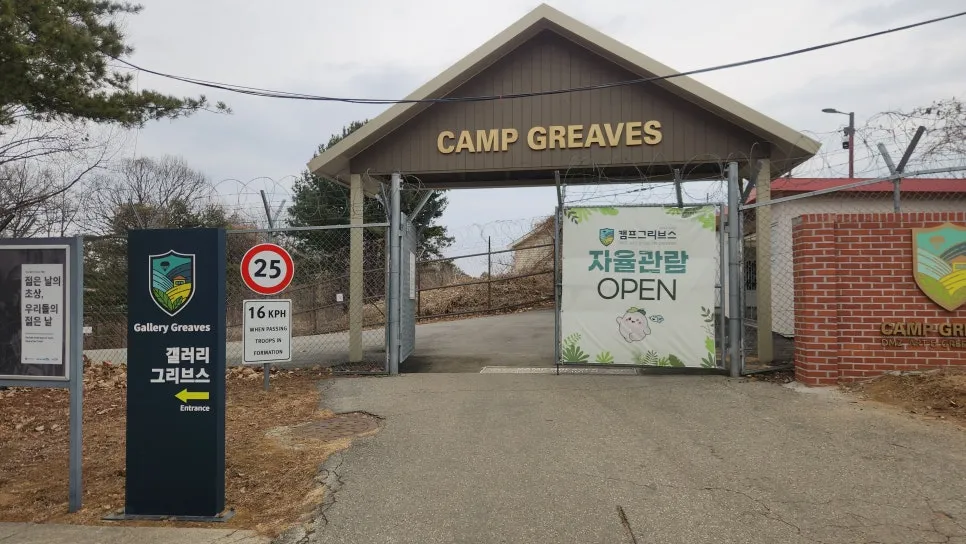
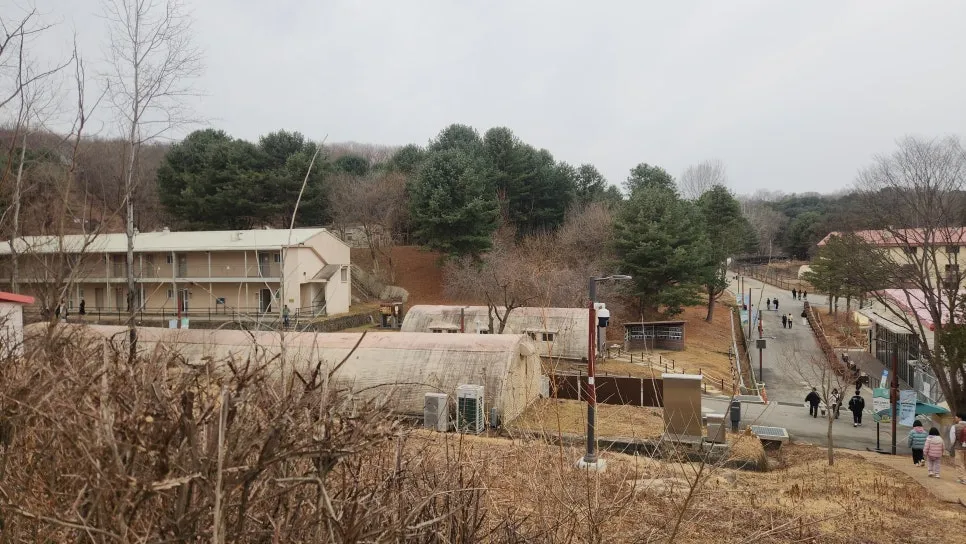
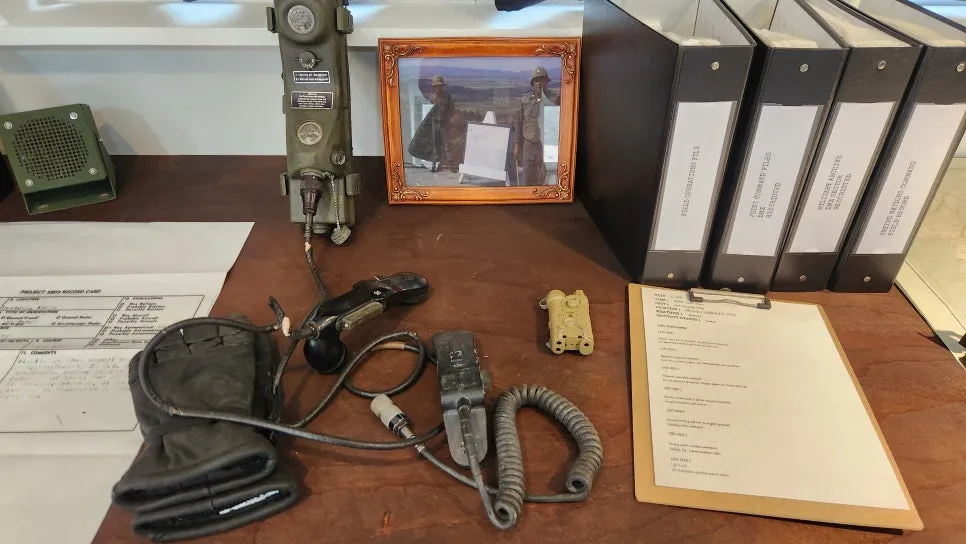
Gyeonggi Province describes Camp Greaves as one of Korea’s oldest former U.S. military bases and notes that American forces were stationed there from 1953 until 2004.
What Changed With the JSA and Panmunjom Tours?
If you read an older travel post about the JSA, treat it with caution. This is one of the fastest-moving parts of any DMZ itinerary, and the details have shifted more than once in the past few years.
Civilian access was halted for an extended period following a 2023 security incident, then gradually restored under UN Command oversight. The version now available is not identical to what visitors experienced before: the orientation tour continues, but stepping inside the blue conference buildings that straddle the Military Demarcation Line — previously the signature moment of the visit — is no longer part of the standard route.
Some operators still advertise a “JSA tour” that is really a standard DMZ itinerary with a JSA add-on subject to same-day approval. If access falls through on the day, you complete the DMZ portion only, sometimes after paying a premium for the JSA name. Ask directly what happens if JSA access is not granted before you pay for anything marketed as a JSA or Panmunjom package.
Official visitor information can be checked through VISITKOREA and official Korean border-tourism information.
Half-Day or Full-Day?
A half-day DMZ tour can work well if your Seoul itinerary is short.
The region is close enough to the capital that you do not necessarily need to spend an entire day away from Seoul.
A full-day trip, however, gives you more time to understand what you are seeing rather than simply moving from one photo stop to another.
Before choosing a tour, compare:
- Hotel or central Seoul pickup
- English-speaking guide
- Third Infiltration Tunnel
- Dora Observatory
- Time at Imjingak
- Peace Gondola
- Lunch
- Return time to Seoul
- Whether JSA or Panmunjom is actually included, and what happens if it falls through
How Much Does a Tour Cost?
There is no single DMZ tour price.
The cost depends on the operator, transportation, tour length, guide service and attractions included in the itinerary.
A cheaper ticket is not automatically a better deal if it leaves out the places you actually want to see.
Compare the itinerary first and the price second.
Can You Visit Without a Tour?
Public areas around Imjingak and Pyeonghwa Nuri can be visited independently.
However, that does not mean every restricted border attraction can be explored on your own.
Some locations operate through controlled routes, scheduled buses, identity checks and specific visitor procedures.
If this is your first trip to Korea, an organized tour from Seoul is usually the easiest option.
What to Know Before You Go
Passport
Already covered above, but it belongs on every pre-departure checklist too — leave it in your bag the night before, not somewhere you’ll forget.
Wear comfortable shoes
The tunnel and some other sites involve walking, slopes or stairs.
Follow your guide
Visitors move according to approved routes and schedules in controlled areas.
Respect photography restrictions
Military-border tourism is different from sightseeing in central Seoul. If photography is prohibited, put your camera or phone away.
Check the latest status
Routes can change because of security conditions, maintenance or operational decisions. Information from a travel post written several months ago may no longer be accurate.
Is the Border Area Dangerous for Tourists?
The word “DMZ” can sound intimidating.
It is still a militarily significant region, and visitors should respect that reality. However, tourist areas operate through controlled procedures and designated routes.
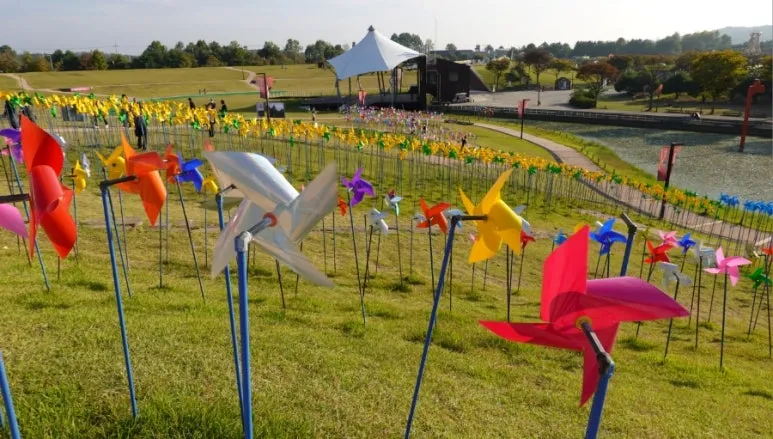
Once you arrive, you may also be surprised by how much of the area is dedicated to remembrance, education and peace. Pyeonghwa Nuri Park is one example.
Is It Worth Taking Time Away from Seoul?
This trip is not essential for every traveler. If your priority is Korean food, shopping, nightlife or K-pop, you may prefer to spend your limited time elsewhere.
But if you want to understand why modern Korea looks the way it does today, this is one of the most meaningful day trips you can take. At Freedom Bridge and the Jangdan locomotive, you see physical traces of war; underground, you encounter the history of military confrontation; from an observatory, you look across a divided peninsula that remains divided today; and back at Imjingak, memorials, open parkland and colorful pinwheels shift the story toward peace and reunification.
That is what makes the experience different from ordinary sightseeing. It is not simply about getting as close as possible to North Korea.
It is a chance to understand the Korean War, division and the continuing hope for peace through the actual places where that history happened.
Frequently Asked Questions
How far is the DMZ from Seoul?
The southern boundary of the border zone is roughly 50 kilometers from central Seoul. Driving time can be around one hour under good traffic conditions, although actual travel time depends on traffic and the tour route.
Do foreigners need a passport for a DMZ tour?
Yes — bring the physical document rather than a photo of it. Identity checks happen in controlled areas, and the name on your booking needs to match your passport.
Is the JSA the same as the DMZ?
No. The Joint Security Area is a specific and highly controlled location associated with Panmunjom. A regular border tour does not automatically include JSA access.
Can tourists visit Panmunjom right now?
Yes, in a modified form. Orientation tours resumed after a suspension tied to a 2023 security incident, but as of 2026 visitors no longer step inside the blue conference buildings that were previously the highlight of the route. Confirm the exact itinerary with your operator, since the format has changed more than once in recent years.
Can I book a tour after arriving in Seoul?
Yes. Travelers can book online, ask a travel guide, or check with a hotel for local tour information. Many hotels can help guests find tour operators or brochures.
Is a half-day trip enough?
A half-day tour can work well for visitors with limited time. A full-day option gives you more time for additional attractions and historical context.
You May Also Like
 How to Eat Korean BBQ in Seoul
 Free Seoul Metro Map & Tourist Maps: Official Downloads
 Things to Do in Seoul: 15 Proven Picks Every First-Timer Needs
 5 Best Areas to Stay in Seoul Near the Subway
 Apartment in Seoul: 5 Best Options for Foreigners
 Seoul to Jeju: Flights, Travel Time & Airport Guide
 South Korea Travel Budget: One Month in Korea for $1,000
 Olive Young Korea: 10 Best Korean Skincare Must-Haves
 Seoul Subway Map & Transfer Guide: 7 Rules for Seoul Travel
 Jjimjilbang Seoul: The Complete Guide for First-Timers