Can you travel around South Korea for one month with a budget of $1,000?
This South Korea travel budget guide breaks down the real cost of spending one month in Korea, excluding international flights.
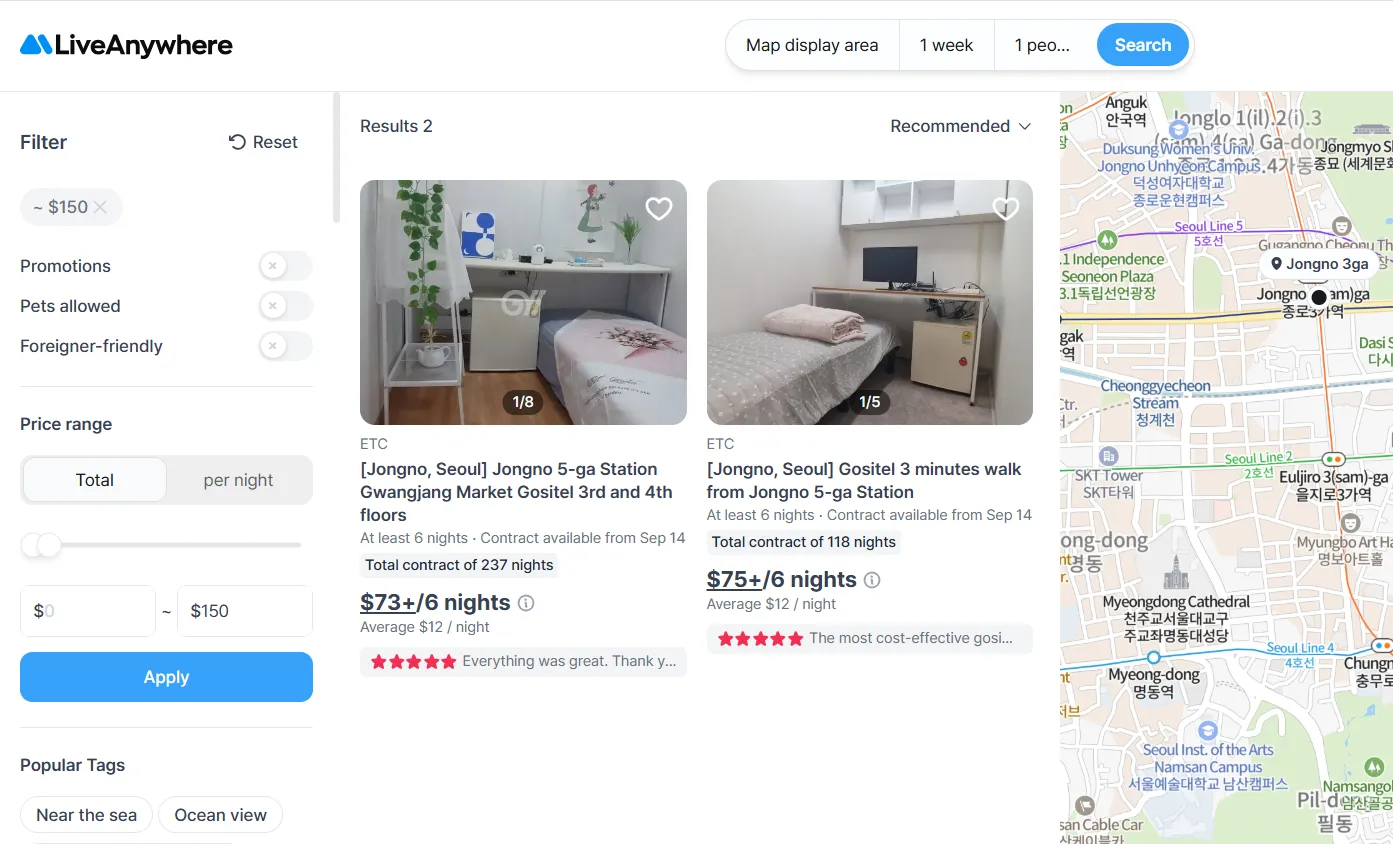
You can get close, but only in one specific way: stay mainly in Seoul, book a room with a long-stay discount, and track every dollar you spend. If you want to visit Seoul, Busan, and Jeju while eating three real meals a day, $1,000 will not be enough.
If your only goal is to spend a month in Korea as cheaply as possible, $1,000 can work. But if you also want to enjoy the food, see the sights, and travel between cities, plan for about $1,500 instead.
This guide does not include your flight to Korea. It covers what you need after you land: a place to sleep, food, local transportation, and travel between Seoul, Busan, and Jeju.
South Korea Travel Budget for One Month
The three biggest costs for a month in Korea are a place to stay, food, and transportation. This estimate does not include entrance fees, coffee, shopping, souvenirs, extra baggage fees, taxis, or surprise costs.
| Category | Estimated budget |
|---|---|
| Accommodation | about $335–$520 |
| Food | about $670 |
| Travel between Seoul, Busan, and Jeju | about $150–$225 |
| Local public transportation | about $60–$90 |
| Total basic budget | about $1,210–$1,500 |
Dollar estimates are approximate because exchange rates change. The realistic minimum is about KRW 2 million, or roughly $1,500 depending on the exchange rate.
A cheap room can shrink your total cost fast. Food is different. Cutting your food budget below about $22 a day is not a good idea. That works out to roughly $670 for 30 days, and even that assumes a simple breakfast plus reasonably priced meals for lunch and dinner.
You will walk a lot and ride public transportation all day. Skip meals to save money, and you will run out of energy fast. Good food is also part of the trip itself, not just fuel. It is one of the best ways to get to know a Korean city.
Think of $1,000 as a challenge budget for someone staying in one city the whole time. About $1,500 is a more realistic number if you want to see Seoul, Busan, and Jeju and still eat well.
Choosing Affordable Accommodation for a Month in Korea
A place to stay usually takes the biggest bite out of your budget, so it is worth comparing carefully. Look at the final price, not just the nightly rate you see first. Taxes, cleaning fees, booking fees, and long-stay terms can change the total by a lot.
Airbnb lets you live more like a local, which is a real plus. But once cleaning and service fees get added, some listings end up costing more than a small hotel, guesthouse, or other long-stay room.
Before you book a stay of a month, check these things:
- Walking distance to a subway station or bus stop
- A window, plus heating and air conditioning
- A private or shared bathroom
- A washing machine in the building, or a laundromat nearby
- The total price after taxes and fees
- Weekly or monthly discounts
Switching rooms every few days costs you time and energy, not just money. Pick one home base in each city and take day trips from there.
How to Find Seoul Budget Accommodation
For a short trip, staying near the center makes sense. Myeongdong, Gwanghwamun, Gyeongbokgung Palace, Insadong, Namdaemun Market, and N Seoul Tower all sit close together, so a central room cuts your travel time and lets you fit more into each day.
For a full month, though, you do not need an expensive room in Myeongdong or Jongno. Seoul’s subway system reaches almost everywhere, so a room near a station outside the busiest tourist zones still gets you to the major sights without much trouble.
Most popular spots in Seoul are about 30 minutes to an hour away by subway or bus, depending on where you start and how many times you transfer. A cheaper room a bit farther out, near a good subway line, often beats a pricier room with a messy commute.
When you compare guesthouses, small hotels, studios, and long-stay deals, look at both the price and the real travel time to the places on your list.
Travelers looking for cheap accommodation in Seoul should compare the total price with the actual subway travel time to major attractions.
How to Find Cheap Accommodation in Busan
Haeundae Beach and Gwangalli Beach are the names most people know in Busan, but rooms right on the beach get expensive fast on weekends and during peak season.
Look around Busan Station, Seomyeon, Nampo-dong, or nearby residential neighborhoods with good subway access instead.
Busan Station is handy if you are arriving by KTX from Seoul. Nampo-dong sits close to Jagalchi Market, Gukje Market, Busan Tower, and Yongdusan Park.
You can still reach Haeundae Beach, Gwangalli Beach, and Gamcheon Culture Village easily by subway and bus. If you are staying several days, a room near a subway station a bit inland often costs less than one right on the beach.
A Busan budget hotel near a subway station can be more practical than a beachfront property.
How to Find Jeju Budget Accommodation
Jeju is an island, so shipping goods from the mainland pushes up some food and everyday prices. Attractions are also spread far apart, so getting around can cost more than you expect. Budgeting the same amount you used for Seoul or Busan may leave you short here.
Jeju has plenty of luxury resorts, but rooms for about $22 a night do show up if you pick the right dates and area.
Tamnao is a public travel platform for Jeju where you can compare flights, rooms, rental cars, and local activities. It also runs seasonal promotions, although discount rates and eligible products vary by campaign. Still, check the room type, cancellation policy, dates, and final price against other booking sites before you commit.
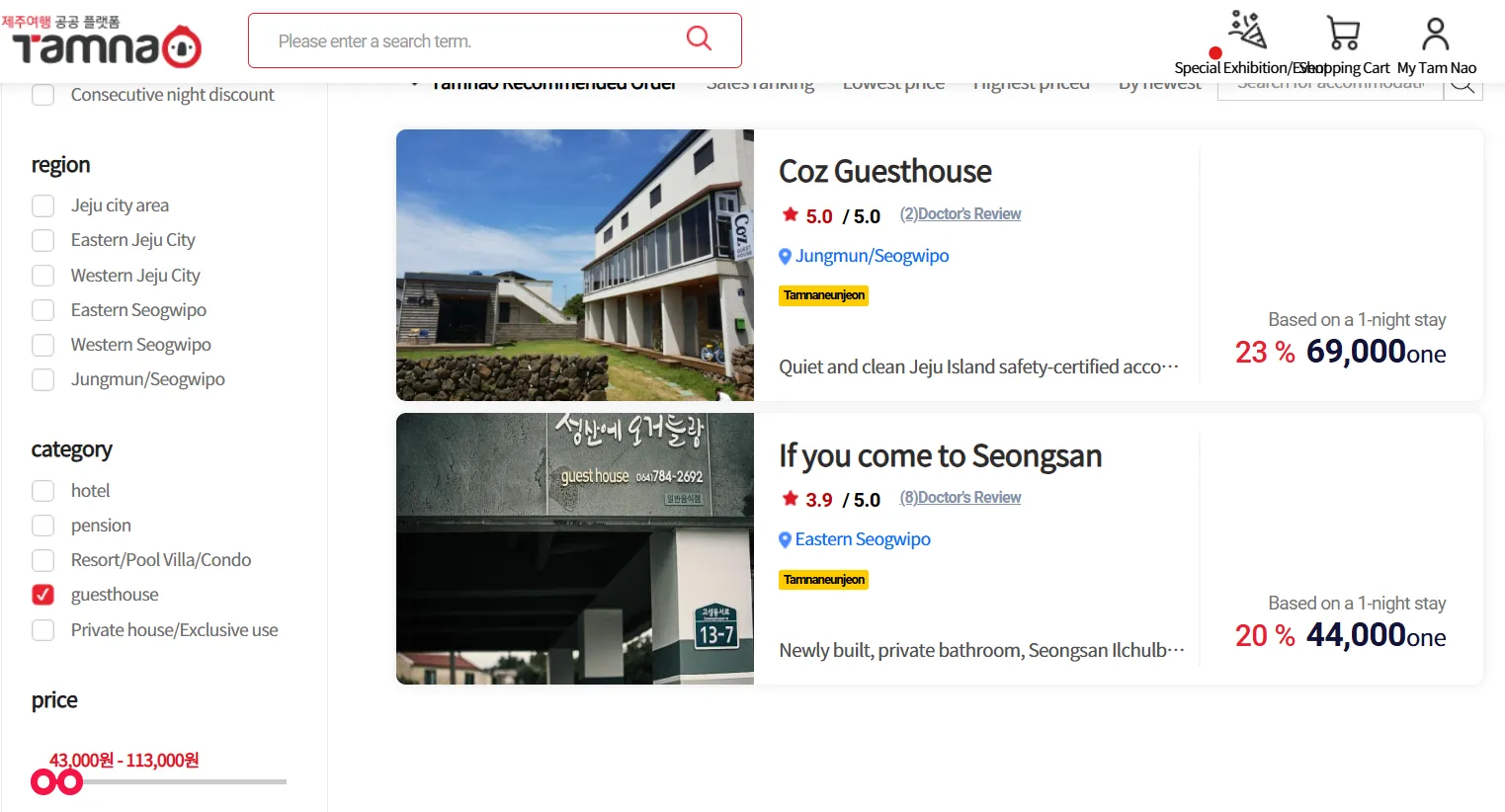
Cheap hotels in Jeju are easier to find when you compare different dates and locations instead of searching only near major attractions.
Seongsan Ilchulbong, Hyeopjae Beach, and Dongmun Market sit far apart from each other. Pick the places you most want to see first, then choose a base in Jeju City, Seogwipo, or the Seongsan area based on that.
Jeju weather can turn quickly, and strong wind or storms sometimes delay or cancel flights. Do not fly from Jeju to Incheon on the same day as an international flight home. Coming back to Seoul or Incheon the day before is much safer.
Do Not Cut Your Food Budget Below About $22 a Day

A daily food budget of about $22 adds up to roughly $670 over 30 days. Picture a simple breakfast like gimbap or a sandwich, a local lunch such as baekban, gukbap, or bunsik, and dinner at an ordinary restaurant.
That is not a lot of money for food. It is closer to the minimum for three normal meals.
Cut this budget too much, and you will not have the energy for a full day of walking and riding transit. Get sick on the road, and you may end up canceling part of your trip and paying for medicine or a doctor instead.
Korean food is also part of why you came. Market food and home-style dishes in Seoul, dwaeji-gukbap and milmyeon in Busan, and local Jeju dishes all teach you something about the place.
Convenience stores work fine late at night or for a quick lunchbox or instant noodles. If you need several groceries at once, though, a neighborhood market or a big discount store is usually cheaper. Shop there first if it is not too late in the day.
Bring a reusable water bottle. If your room has a water dispenser, fill it up before you head out. A restaurant’s water dispenser is for paying customers, so use it while you eat there, not as a free refill station. Buy one small bottle from a convenience store every day instead, and that adds up to about $22 over a month, plus more plastic waste.
Do Laundry Once a Week
You do not need to pack a month’s worth of clothes. Bring what you need, do laundry about once a week, and you will save both luggage weight and possible baggage fees. Pack extra underwear and socks, though.
For a long stay, a washing machine, fridge, microwave, and water dispenser matter more than fancy amenities. If your building does not have a washer, check how far the nearest laundromat is before you book.
Transportation for a One-Month Korea Trip
Where Can You Use T-money and WOWPASS?
T-money works on subways and city buses in Seoul, Busan, and many other parts of Korea. It beats paying cash every ride, and it also gets you transfer discounts.
Tap your card when you get off the bus too, or your transfer will not register correctly. Transfers are not always free; extra charges can apply depending on distance and the type of transportation. Pay in cash instead, and you lose the transfer discount entirely.
You can also use T-money at some convenience stores and taxis.
WOWPASS combines a payment card for international visitors with a transportation card. The payment balance and the transportation balance are tracked separately, so check both when you add money.
You cannot use T-money or the WOWPASS transportation balance to ride the KTX. Book your KTX ticket from Seoul to Busan separately through Korail’s official English website.
How to Travel from Seoul to Busan and Jeju
Here is one practical route if you are covering all three cities:
- Start your trip in Seoul.
- Take the KTX from Seoul Station to Busan Station.
- Ride the Busan subway and the Busan-Gimhae Light Rail to Gimhae International Airport.
- Fly from Gimhae to Jeju International Airport.
- Fly from Jeju back to Gimpo International Airport.
- Head to Seoul or Incheon before your flight home.
The KTX from Seoul Station to Busan Station takes about two and a half hours on the fastest trains. A standard adult ticket runs about $45, though the exact time and price depend on the train, so check Korail’s site for your travel date.
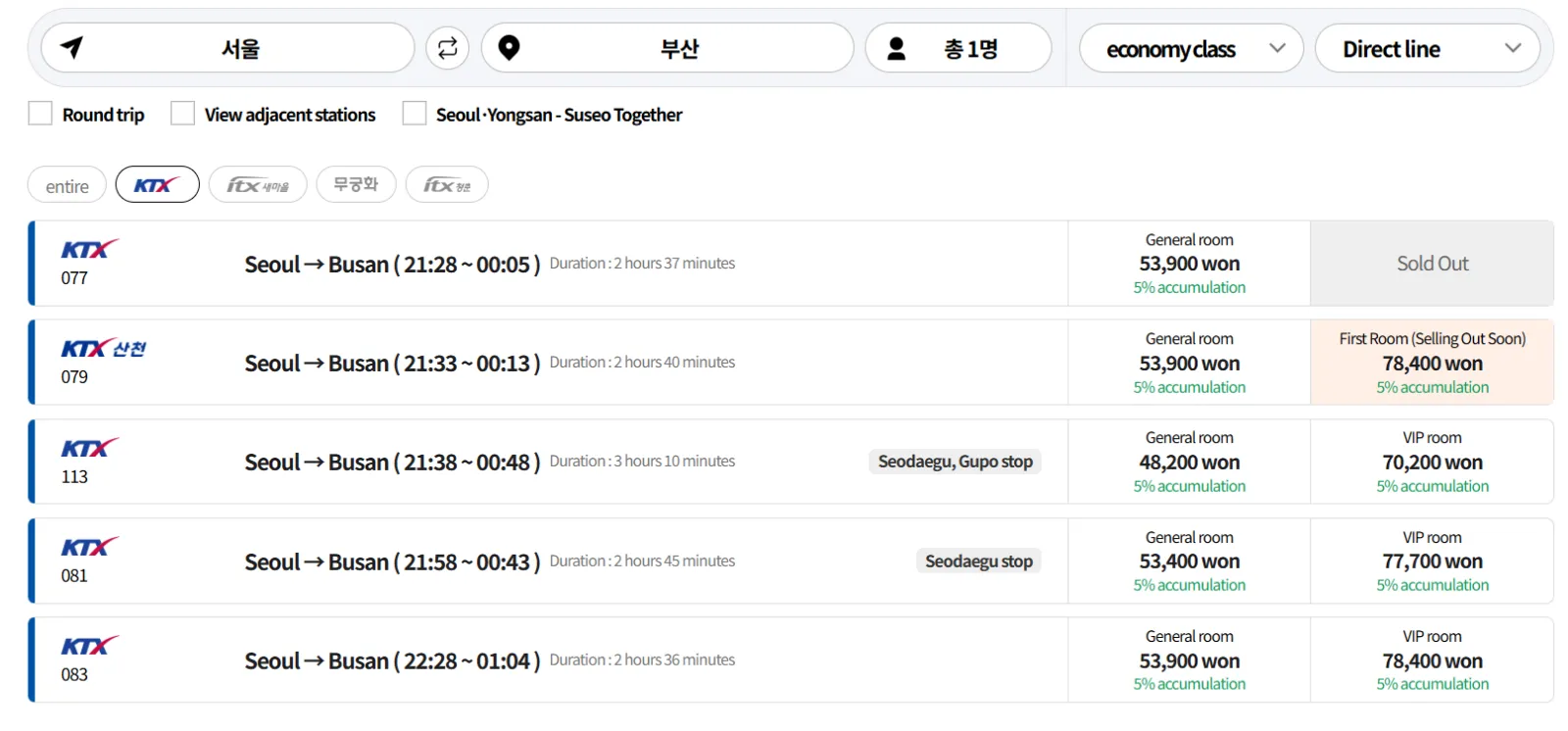
For the Busan-to-Jeju leg, do not stop at Jeju Air. Compare Jin Air, T’way Air, Air Busan, and Eastar Jet too. A cheap base fare can still cost more once you add checked baggage, so always check the final total before you book.
A few international flights leave straight from Jeju, but the routes and schedules are limited. Travelers who cannot find a suitable international connection from Jeju often fly to Gimpo first, then continue to Incheon.
Between Gimpo Airport, downtown Seoul, and Incheon Airport, compare the Airport Railroad with the airport buses. The train skips road traffic, while the bus can be easier if you have heavy bags and a stop close to your room.
Because delays and cancellations are possible during strong winds or bad weather, do not fly from Jeju to Incheon on the same day as your international flight home. Coming back to Seoul or Incheon the day before is the safer plan.
When Does an Incheon Airport Capsule Hotel Make Sense?
Darakhyu runs capsule hotels at both Terminal 1 and Terminal 2 of Incheon Airport. Rates depend on the time of day, not a flat nightly price. A daytime stay (8 a.m. to 8 p.m., 3-hour minimum) starts at about $24 for a single room. An overnight stay (8 p.m. to 8 a.m., up to 12 hours) starts at about $51 for a single, and each extra hour costs about $7.50. Prices shift, so check the official Terminal 1 or Terminal 2 page before you book.
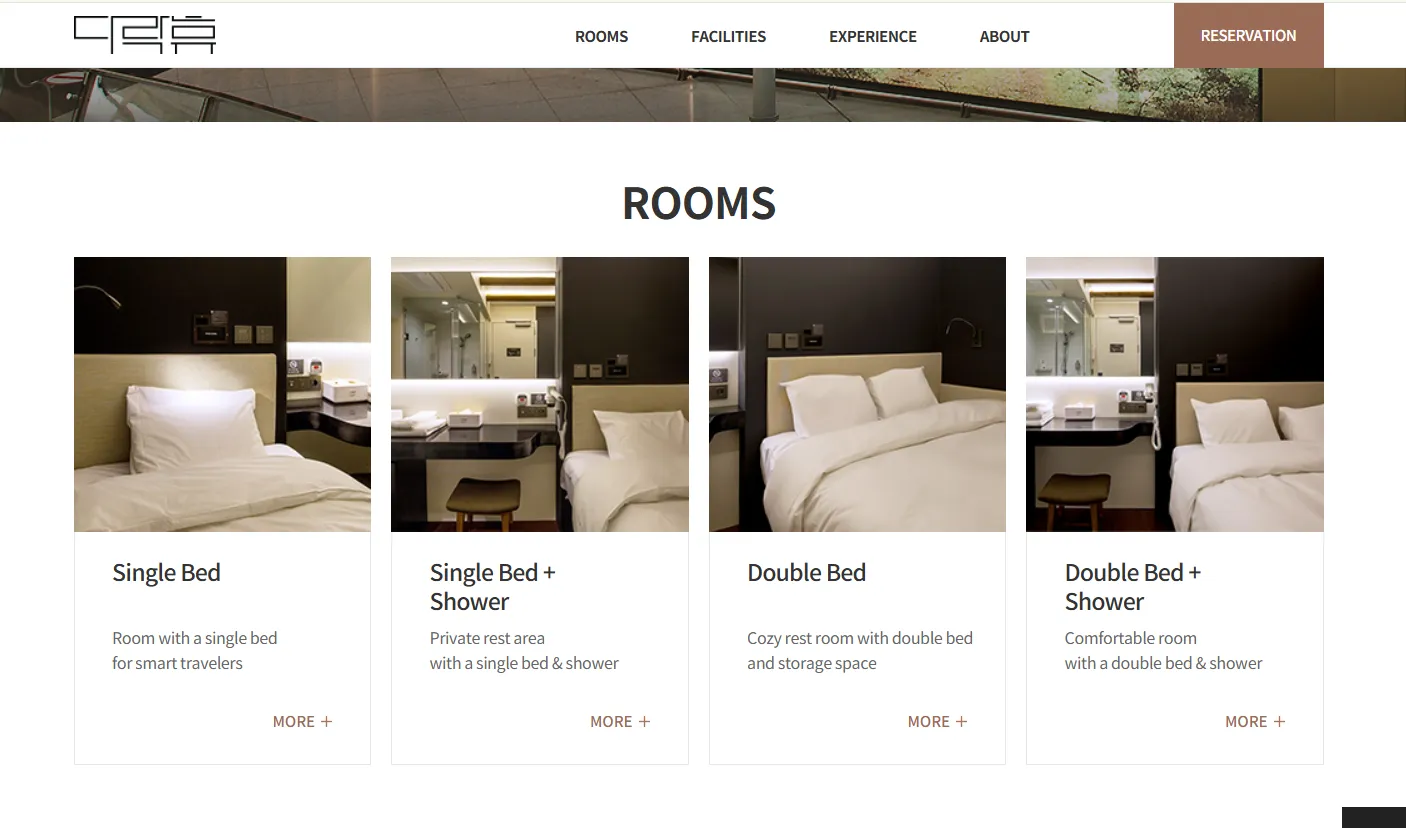
A capsule hotel is not always the cheapest option out there. It does cut down on travel time, though, and it saves you from dragging heavy bags across the city if you land late at night or catch an early flight.
Use Korean Map and Translation Apps
Google Translate and Google Lens help you read menus, signs, and notices on the spot.
For public transit directions and detailed place searches, Naver Map or KakaoMap often beat Google in Korea. Use one alongside your usual Google apps.
Load a transportation card, save your key routes ahead of time, and keep your address saved on your phone. With just that, you can explore Seoul, Busan, and Jeju on your own, no tour group required.
Who Can Travel South Korea for a Month on $1,000?
A budget close to $1,000 is possible if you can live with all of these:
- Stay mainly in one city.
- Book a room with a monthly discount.
- Accept a small room with basic amenities.
- Take the subway and bus instead of taxis.
- Choose markets, parks, and walking paths over paid attractions.
- Skip most cafés, shopping, and souvenirs.
- Track every dollar you spend, every day.
That budget will not stretch to cover all three cities with three real meals a day.
Want to see Seoul, Busan, and Jeju, try the local food in each one, and sleep somewhere a bit nicer? Do not squeeze that trip into $1,000. Keep about $670 for food, plan for at least $1,500 overall, and set aside extra for anything unexpected.
Realistic Advice from Someone Who Lives in Korea
I have lived in Korea for years and traveled through several other countries too. One thing never changes: no matter how carefully you plan, a real trip almost always costs more than your first estimate.
The numbers in this guide cover a bed, three meals a day, local transit, and travel between cities. They skip attraction tickets, coffee, shopping, souvenirs, extra baggage fees, taxis, and anything unplanned. Keep some cash aside for that stuff.
Your Korea trip cost comes down to more than local prices. It depends on what you are actually going for: the cheapest month possible, or a slower trip where you get to enjoy the place.
So, can you do a month in Korea on $1,000? For one city, if you watch every dollar, yes. For Seoul, Busan, and Jeju together, with real meals along the way, give yourself at least $1,500.
Frequently Asked Questions
Can you stay in South Korea for one month on $1,000?
It is possible if you stay mainly in one city, find a room with a monthly discount, use public transportation, and track every expense. It is not a realistic budget for visiting Seoul, Busan, and Jeju while eating three normal meals a day.
What is a realistic South Korea travel budget for one month?
About KRW 2 million, or roughly $1,500 depending on the exchange rate, is a more realistic minimum for visiting Seoul, Busan, and Jeju with three meals a day. Attraction tickets, shopping, cafés, taxis, and unexpected costs require extra money.
How much should I budget for food each day in Korea?
Plan for at least about $22 a day, or roughly $670 for 30 days. That covers a simple breakfast and reasonably priced meals for lunch and dinner.
How much does budget accommodation cost for one month in Korea?
This guide estimates about $335 to $520 for basic accommodation with a long-stay discount. Always compare the final price after taxes, cleaning fees, and booking fees.
How long does the KTX from Seoul to Busan take?
The fastest KTX trains take about two and a half hours from Seoul Station to Busan Station. A standard adult ticket is about $45, but the exact schedule and price should be checked with Korail.
Should I return from Jeju before my international flight?
Yes. Because strong winds or bad weather can delay or cancel flights, returning to Seoul or Incheon the day before your international departure is the safer plan.
About Factly9
Factly9 is a Korea travel website run by a Korean resident. We share practical tips for international travelers, built on everyday experience in Korea and information we check ourselves.
Bookmark Factly9 for more Korea travel advice. Come back anytime you are planning a trip and need something reliable.
Got a question about traveling in Korea? Send it to us through the email on our website. We pick the questions that help the most travelers, check the details ourselves, and turn them into new articles.
You May Also Like
 Seoul to Jeju: Flights, Travel Time & Airport Guide
 5 Best Areas to Stay in Seoul Near the Subway
 Seoul Subway Map & Transfer Guide: 7 Rules for Seoul Travel
 Free Seoul Metro Map & Tourist Maps: Official Downloads
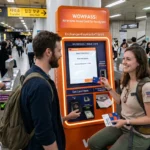 T-Money Card vs WOWPASS: Which Is Better for Seoul Travel?
 Things to Do in Seoul: 15 Proven Picks Every First-Timer Needs
 Apartment in Seoul: 5 Best Options for Foreigners
 Gwangjang Market Seoul: Street Food & Opening Hours
 Naver Maps English: 7 Tips to Navigate Korea Like a Local
 DMZ Tour from Seoul: What to Know Before You Go